When A Sell Limit Is High Probability And When It Is Just Hope
A sell limit becomes higher probability when it sits at a meaningful retest with auction, liquidity, retail behavior, and invalidation all aligned.

A limit order is not automatically disciplined
Many traders think a limit order is safer because it waits for price. That is only true if the level is meaningful.
A random sell limit above price is still a random trade. A planned sell limit at a failed auction retest is different.
What makes it high probability
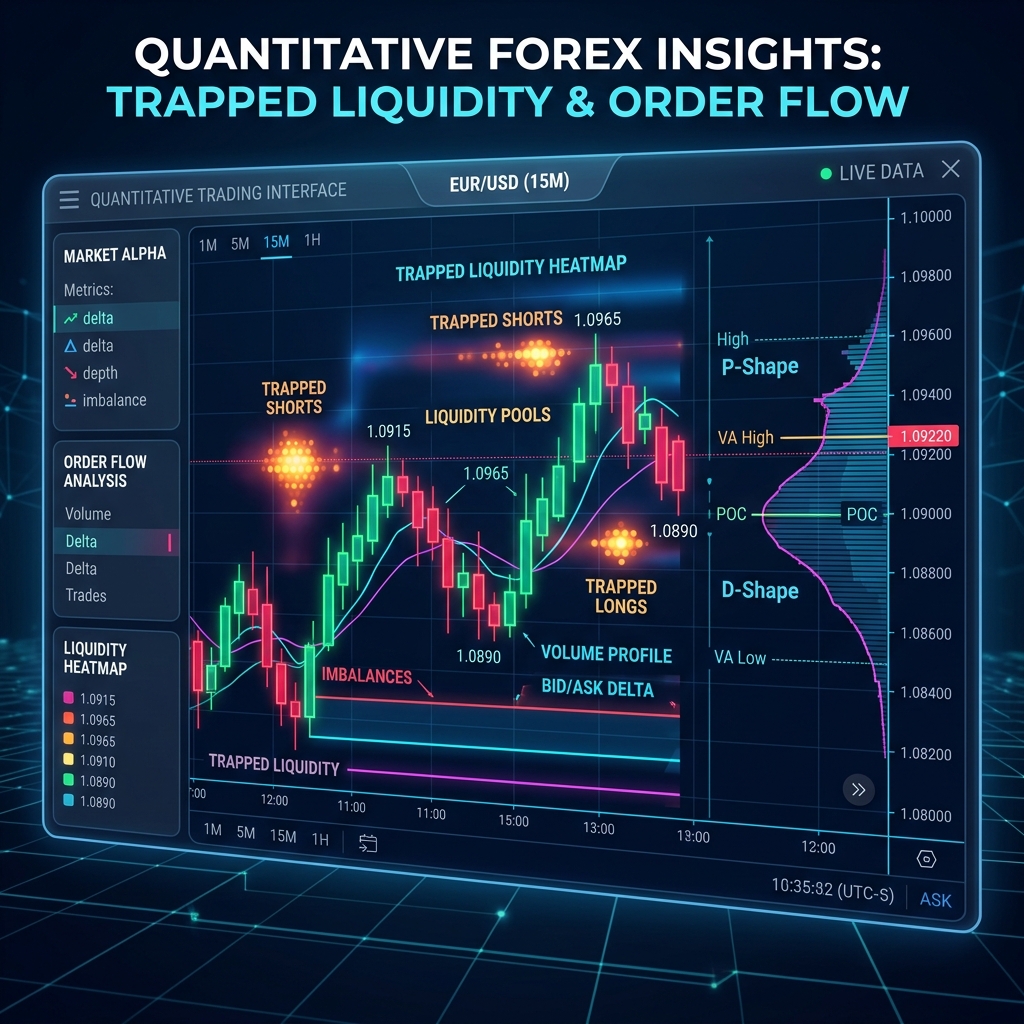
A cleaner sell limit usually has four things behind it: a prior rejection zone, trapped inventory above or around the entry, auction value moving lower, and a stop that sits beyond the structure instead of inside normal noise.
The May 21 entries worked because price returned to areas that had already rejected, not because selling was forced at the low.
- The entry is at a retest, not after the full move.
- The stop is beyond the invalidation zone.
- The target is based on support, trapped-short cover, or prior lows.
- The trade can be cancelled if the market state changes before fill.
When it is just hope
A sell limit becomes hope when it is placed only because price feels high. It is also hope when the trader keeps the order after value accepts above the level.
If the market reclaims the level, builds value above it, and pressure stays positive, the old sell limit has lost its reason to exist.
The practical checklist
Before placing a sell limit, ask: why should this exact level reject? What proves me wrong? If price fills me, where should reaction happen quickly? If the answer is vague, the trade is not ready.
Good limit orders are planned before emotion. Bad limit orders are placed because the trader missed the first move and wants revenge.
Use the platform as a decision process.
The goal is not to copy one level. The goal is to learn how auction value, retail behavior, liquidity pressure, delta, and risk rules combine into a trade idea.